Diabetics in Gaza need immediate international intervention
Written By: Lojain Nashwan
After years of war, genocide, destruction, and displacement, the world must act now to save the lives of surviving chronically ill Palestinians like myself
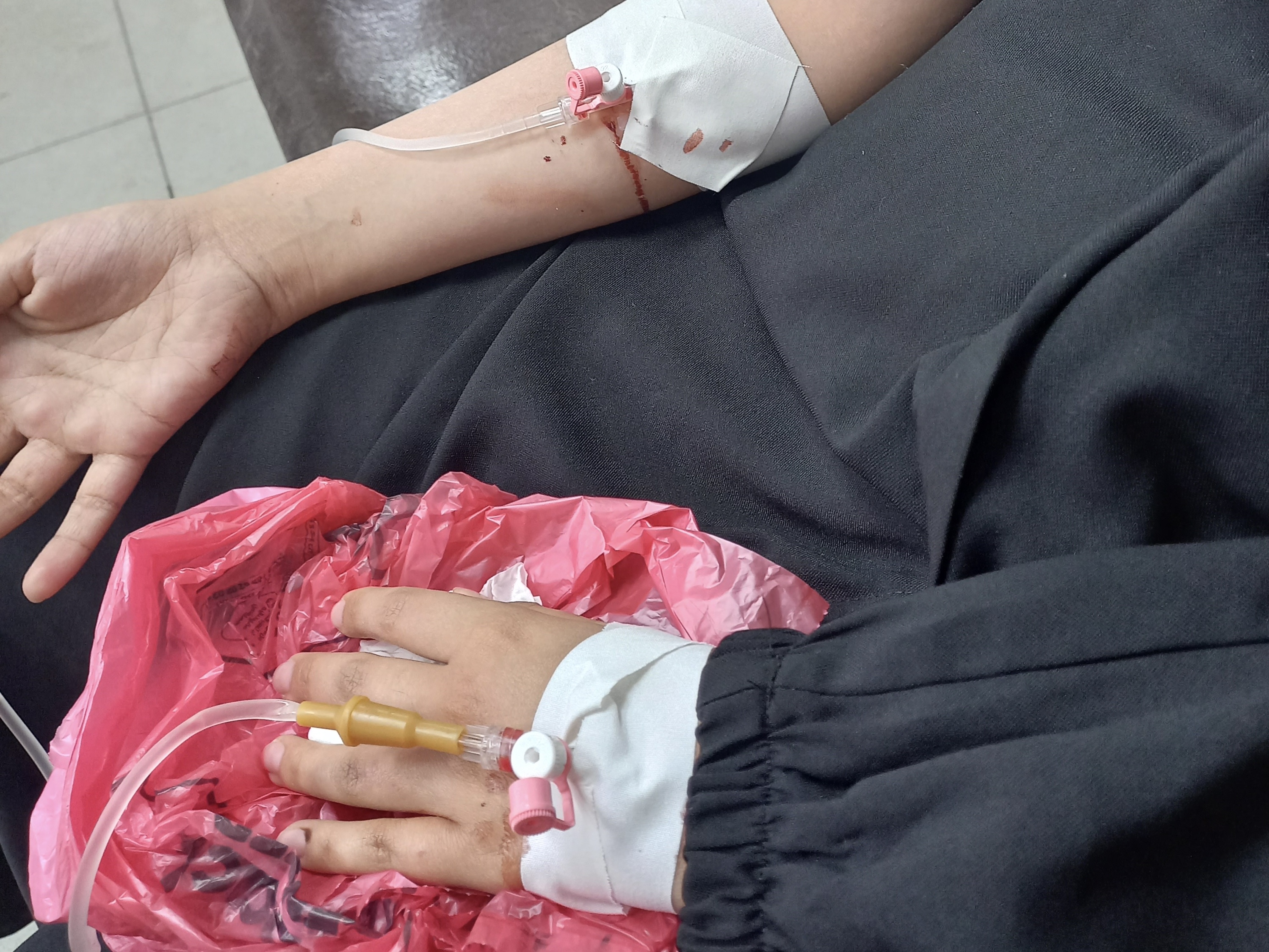
In this DAN Blog guest essay, Palestinian writer Lojain Nashwan recounts her experiences rationing and living without insulin, blood sugar testing supplies, food, and sugar, amid the ongoing genocide in Gaza. You can support Lojain directly here.
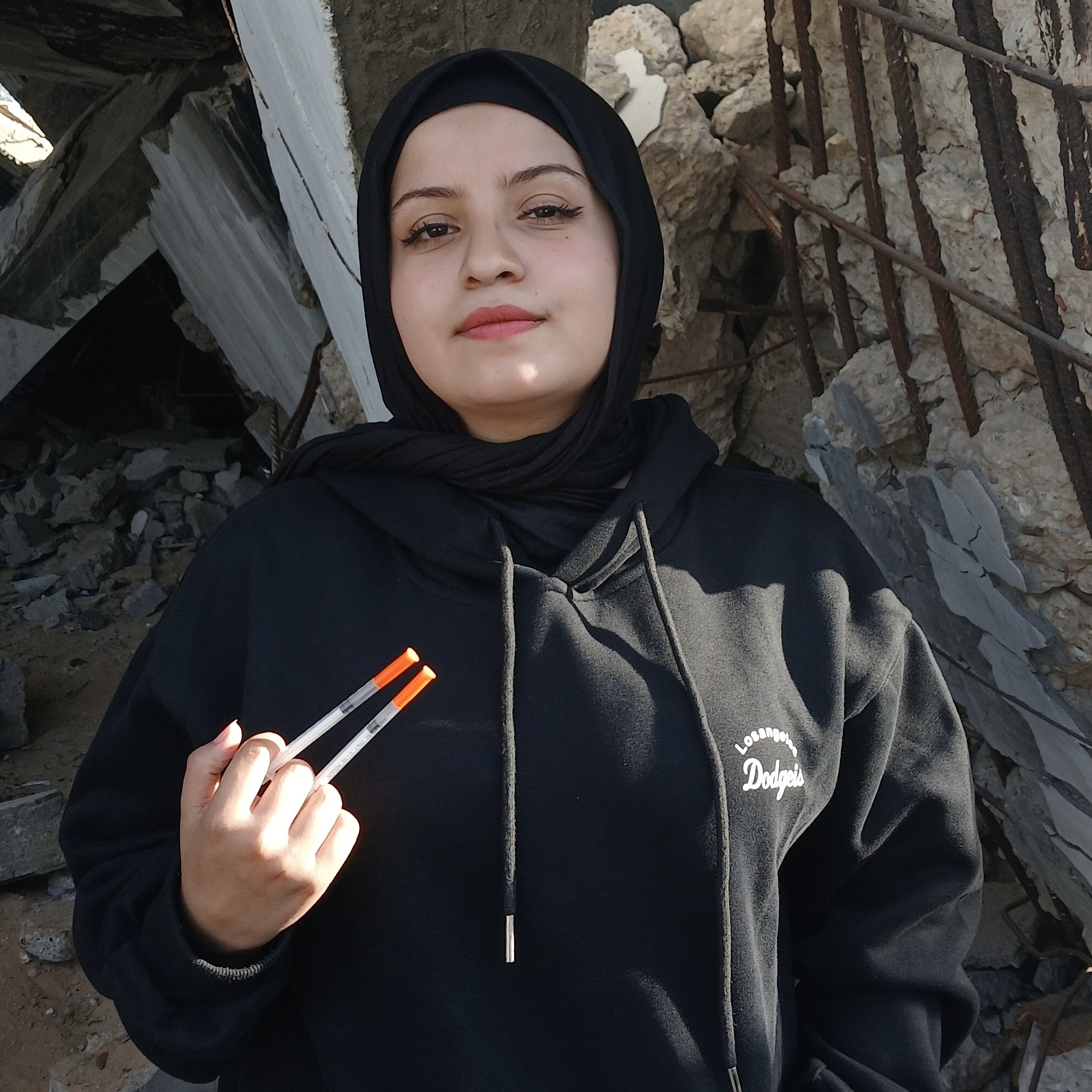
A few weeks ago I stood upon the rubble of my home, which was leveled to the ground in June 2025. I write, sitting next to my six sisters and mother, within a cramped displacement tent in Gaza. Death not only haunts me through shells and missiles, but within my own body, a body that has been struggling with type 1 diabetes since 2015.
I’m a 20 year-old high school graduate with a GPA of 94%. I once dreamed of enrolling in the College of Health Sciences to heal the wounds of others. Now I find myself in a primitive battle for survival, where my defense is not a weapon, but a bottle of juice or a dose of insulin fit for human use.
For me, famine in Gaza is not just a lack of food, it is a daily terror as a diabetic. During the most brutal periods of siege, I faced life-threatening low blood sugar without owning a single kilogram of sugar, a piece of fruit, or even a crust of bread to sustain me. At the height of the hunger, I was forced to use infant nutritional supplements—costing $8 per sachet—just to buy myself a few minutes of life. My family has lost every source of income. In those moments, I felt my soul slipping away while I was utterly helpless.
Due to the total blockade on humanitarian aid and the destruction of hospitals, I have been forced into a series of impossible choices. Joint attacks from Israel and the United States on Iran, coupled with Israel’s continued military assault on Gaza, have made it even harder to get what I need to survive.
Many times in the last few years I’ve had no choice but to take expired insulin. The doses felt like poison running through my veins. I didn’t know if they would save me or increase my agony, but it was the only option to stay alive.
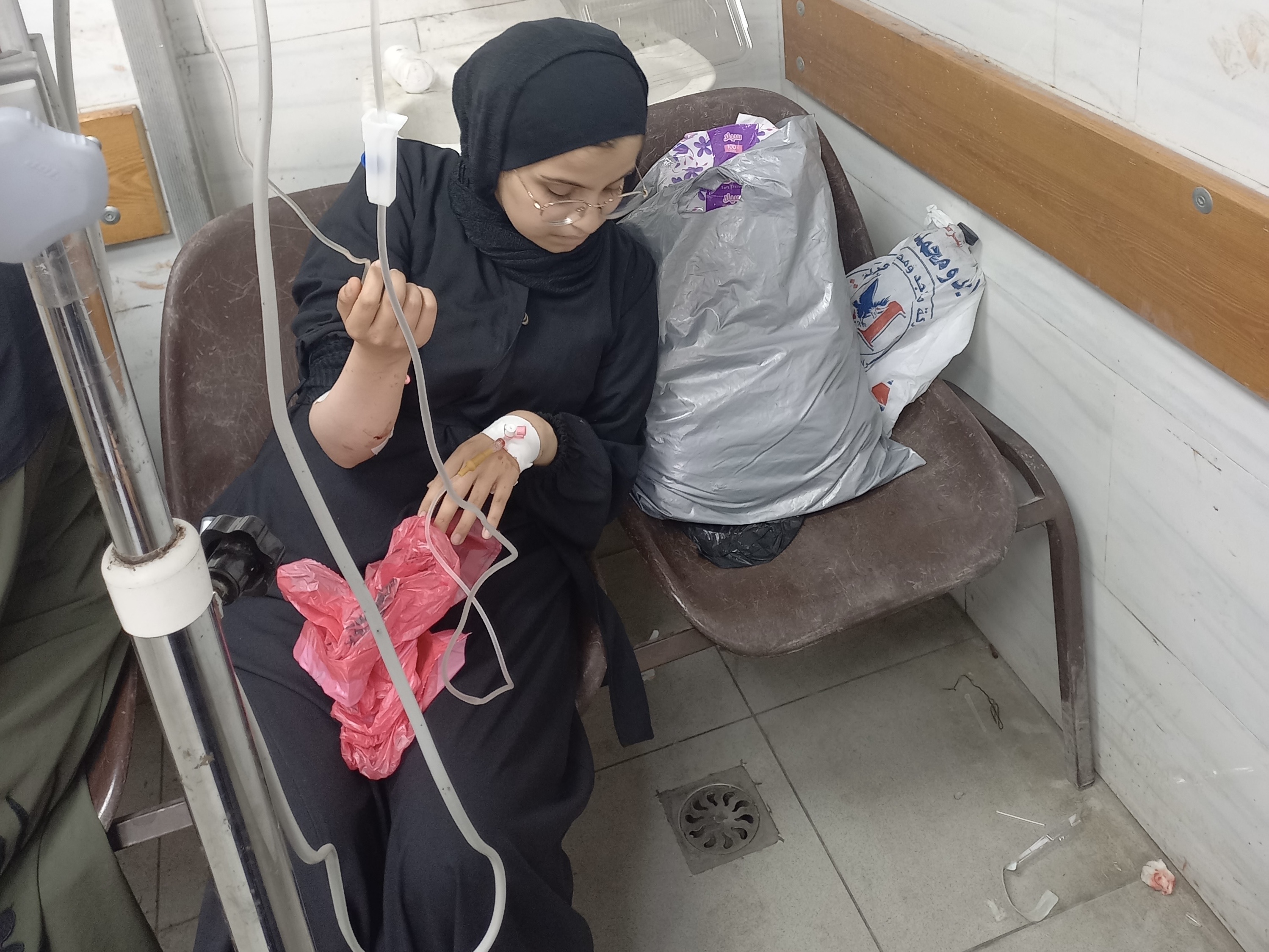
At one point I came face-to-face with death during a siege at my grandfather’s house. Extreme terror caused my blood sugar to spike, leading to life-threatening diabetic ketoacidosis (also known as DKA). With no hospitals available, my family somehow managed to save me with doses of old Actrapid insulin, cinnamon sticks, and scarce amounts of unclean water. Actrapid, or human insulin, was developed in the 1980s, and has a completely different dosing structure than the analog insulins I use regularly.
Our displacement from northern to southern Gaza wasn’t just a change of location, it was a race against death. Under a scorching sun and relentless gunfire, I walked for more than 20 kilometers on Salah Al-Din Road. My feet were exhausted. All I carried was a small bag containing my meager medical supplies, and what remained of my memories.
Danger struck after hours of continuous walking without enough food or water. My hands began shaking. My vision became blurry. And despite the heat, a cold sweat covered my forehead. My blood sugar was crashing at lightning speed. Thousands of displaced people were running around me. Explosions shook the ground. I was in the middle of this so-called "safe corridor," feeling my consciousness fading. I didn't have a single piece of candy. I began to stagger, nearly collapsing in the crowd. In those conditions, fainting would have meant the end of my journey; stopping in that corridor meant certain death.
By some miracle, I found a nearly empty, discarded bottle of juice left behind by another family. I didn't think about the taste or expiration. My heart was pounding like a drum in my chest. I drank the remains to raise my sugar just enough, leaning on my mother's shoulder as she tried to hide her tears, watching me fight death in silence. Surviving every step of those 20 kilometers was a miracle.
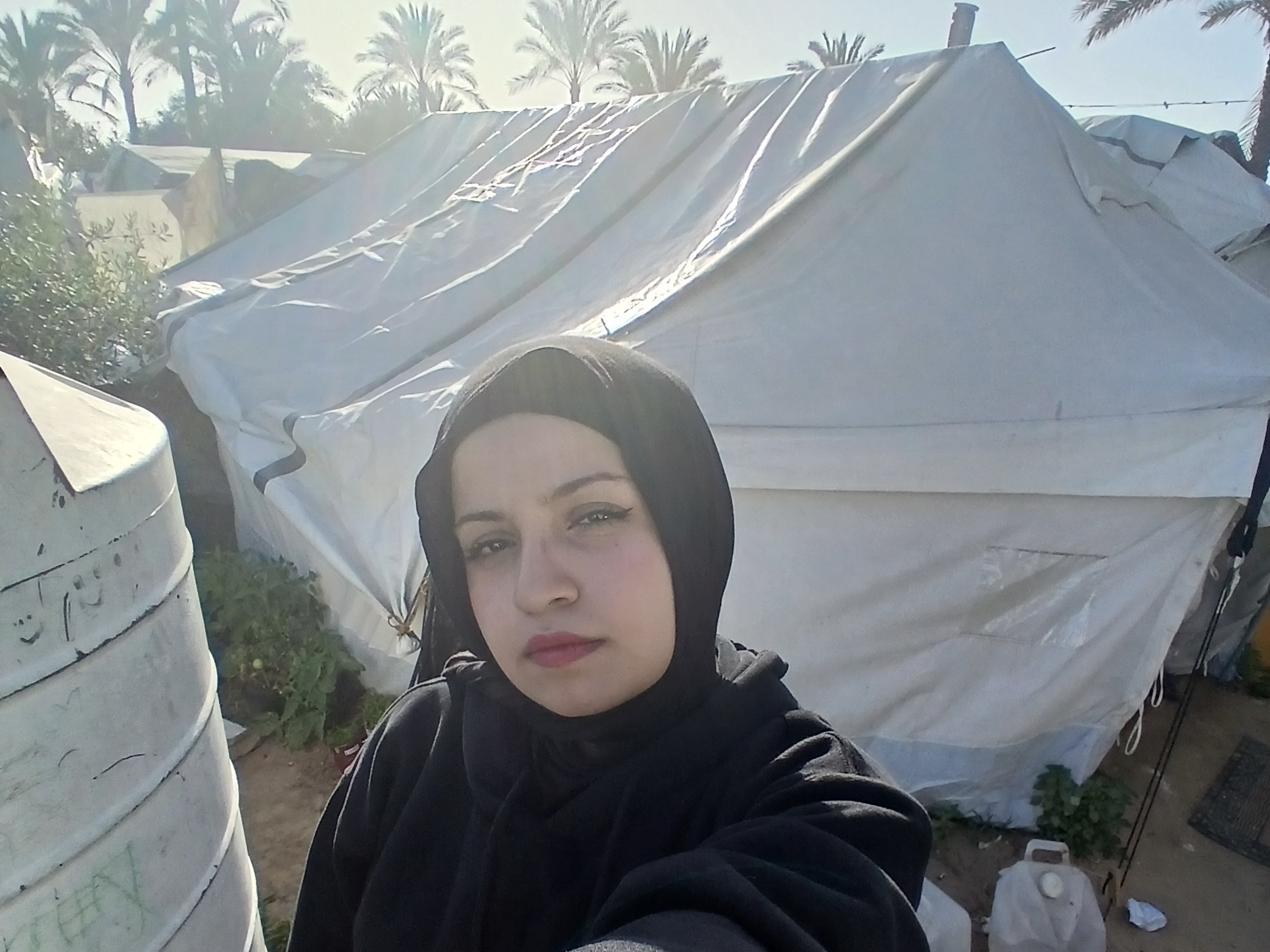
At this very moment, I do not own a single alcohol swab or a single strip to test my blood sugar. I live in total medical darkness, never knowing my levels, which leaves me at constant risk of a sudden coma or death. Prices of medical supplies on the black market have quadrupled, making more medicine a distant dream.
My despair reached a breaking point this month. I trekked through debris to reach one of the partially destroyed UNRWA clinics in Gaza, clinging to a thread of hope for a cumulative glucose test (HbA1c). But as I stood amidst the ruins, the lab doctor delivered a crushing blow: "The reagents are gone—we have nothing left to run the test." In that instant, my heart shattered. Seeing a place that once promised healing turned into a silent graveyard of medicine left me in a void of helplessness.
Due to overcrowding in the few remaining hospitals, I'm denied medical priority because my wound is “internal," while ketoacidosis ravages my body repeatedly without relief. Therefore, I write to raise my voice today, not just as a victim, but for every diabetic patient suffering in silence.
I’m demanding immediate international intervention to secure the following for Palestinians:
- Inclusion of diabetic patients on priority lists for medical evacuation
- Safe, refrigerated, valid insulin
- Accurate, valid blood sugar testing strips and supplies
- Metformin and other medications used to treat insulin resistance
- Alcohol swabs for safe injections and finger pricks
- Fast acting carbs (sweets, candy, juice, etc.) for treating low blood sugar
- Safe food and water
- HbA1C testing supplies for clinics
Death in a tent, while rationing sugar or medication, is no less cruel than death under the rubble. I’m not asking for the impossible. I’m asking for my right to a safe breath, juice that isn't rotten, and a dose of insulin that doesn't kill me.
You can support diabetic writer Lojain Nashwan directly here.
This blog was researched, written, illustrated, photographed, and edited by humans, not AI.